Outlaw
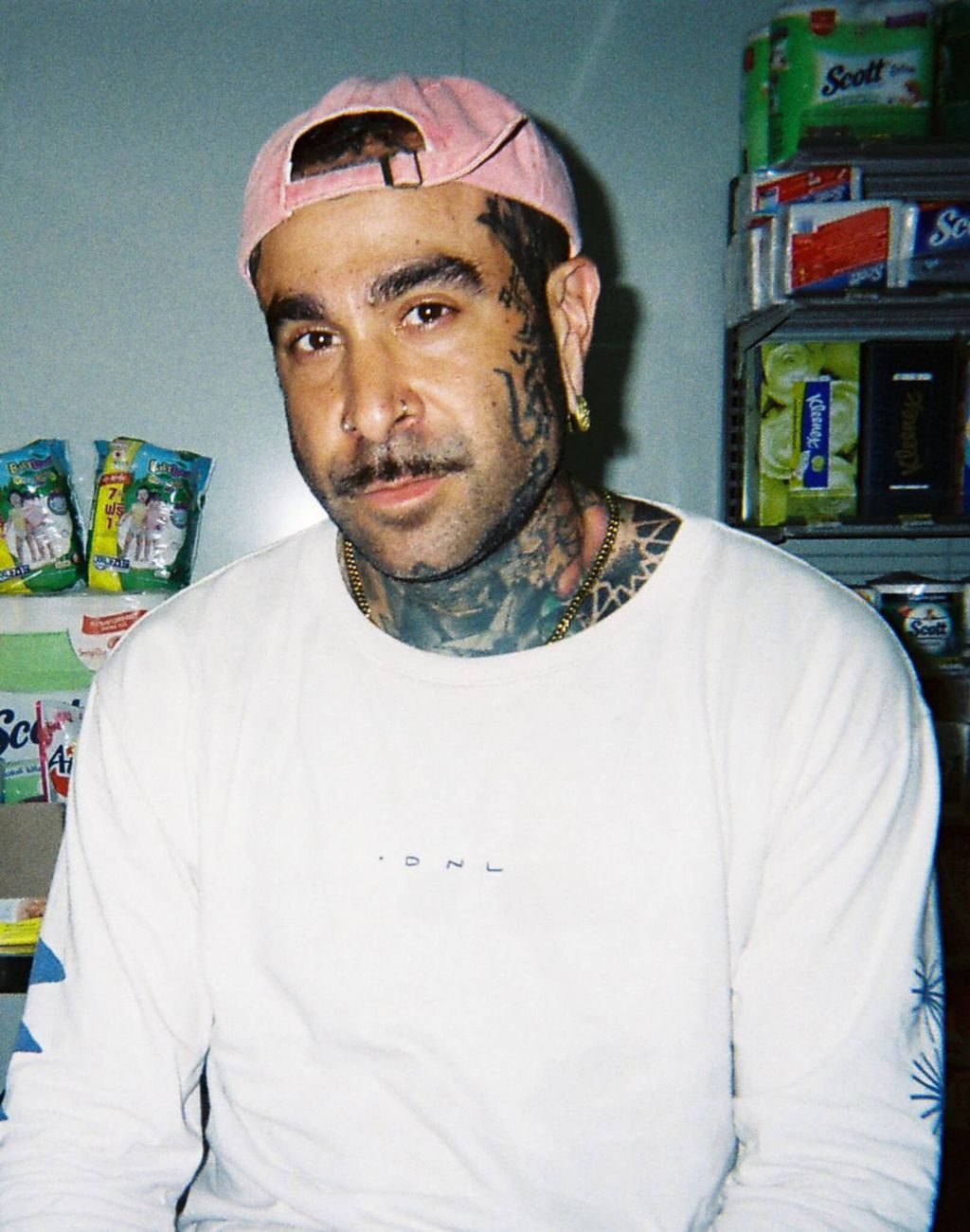
Artist — Myrwhan
Before I learned about The Outlaw Ocean Mural Project, I had no idea these things were happening at sea. They're the kind of issues you might consider for a moment, but never really stop to think about. Now that I'm aware of them, my perspective has changed completely, I feel far more involved, and it makes me think about what's happening, how people behave, and how this platform is working to address it. I think it's genuinely worthwhile to collaborate with them. Normally, when I take on a project, it doesn't carry a broader message or set out to create any kind of impact, that's not usually how I work. What this project has done is make me more conscious of these issues and push me to bring my own perspective, my own voice, into something bigger than myself.
The challenge, as with everything I paint, was translating it into my own style, very graphic, very abstract. I think that approach still works here. Because my work leans on color and abstraction, it isn't explicit. It stays open to interpretation. That's intentional. It gives people room to sit with the image and draw their own conclusions.
That's what I love about public art and graffiti, you can paint in the street whatever you want, whenever you want, however you want, and then anyone can judge it, for better or worse. It's a powerful way of communicating ideas precisely because it isn't controlled. It also gives visibility to artists who are often anonymous, a chance to show how they understand something and what they're trying to represent.
That's the connection I see between the art and this project: both are about people trying to raise awareness of serious issues that most people never think about. A mural is something dynamic, it can reach a much wider audience and pull more people into paying attention.
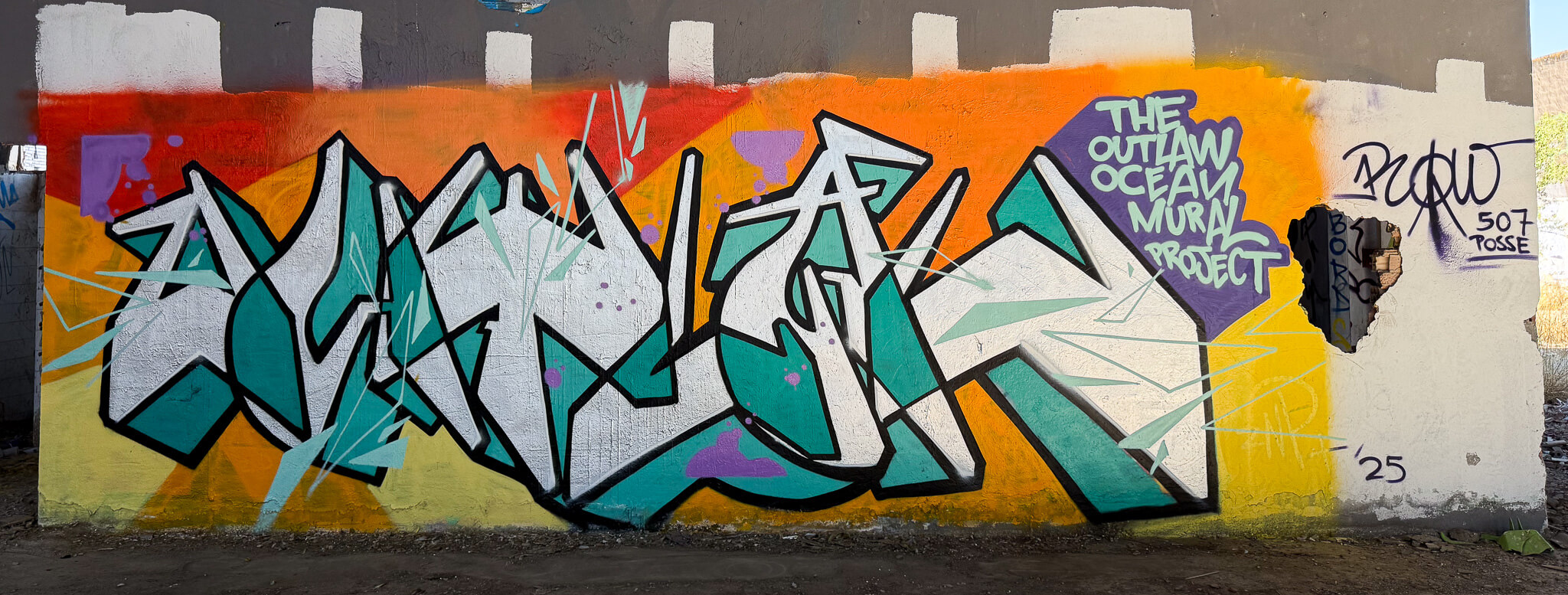
MURAL LOCATION — Murcia, Spain
Artist Bio —
Myrhwan began painting graffiti in 1999 in Linares, Jaén, at a time when it represented rebellion, identity, and freedom, a way to claim space and leave a mark on a city that offered him none. For him, graffiti has never been a question of legality, its essence lives in the street, in occupying space and confronting the city, in making a presence felt where none was invited. That relationship with the street remains the source of the work's meaning and power.
Over more than two decades, Myrhwan has carried his work across the world, from New York and London to Bangkok and nearly every major European capital, absorbing something from each scene while holding onto his own language and identity. His pieces have also moved into galleries and group and solo exhibitions across Spain, though wherever the setting, the origin and destination remain the same: the street, the wall, and the need to paint.